A Transient Ischemic Attack (TIA), or “mini-stroke,” is a medical emergency that signals a high risk of a future stroke.
Recognizing the symptoms early and seeking immediate care can prevent long-term brain damage.
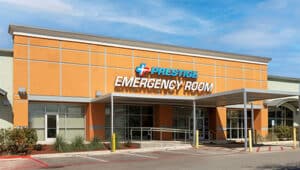
At Prestige Emergency Room, we’re open 24/7 to provide rapid diagnosis and treatment for TIA emergencies across San Antonio.
What Is a TIA?
A Transient Ischemic Attack (TIA) occurs when blood flow to a part of the brain is briefly blocked. Although TIA stroke symptoms typically last only a few minutes, they mimic those of a full stroke and should always be taken seriously.
TIAs are caused by a temporary blood clot or narrowing of the arteries. While they don’t cause permanent brain damage, they are a red flag.
About one in three people who experience a TIA will later have a full stroke, often within days.
TIA vs. Stroke
A TIA and a stroke both result from disrupted blood flow to the brain. The main difference is that a stroke causes lasting brain damage, while a TIA resolves within 24 hours, often in less than an hour.
But that brief window can be misleading. A TIA is a critical warning sign that your body is vulnerable. Seeking emergency room care immediately can prevent future, irreversible harm.
Recognizing Mini-Stroke Symptoms Early
TIA symptoms often come on suddenly and may disappear just as quickly. It’s essential to act fast, even if the symptoms seem to go away.
Common signs of a mini-stroke include:
- Sudden weakness or numbness on one side of the body.
- Trouble speaking or understanding others.
- Blurred or lost vision in one or both eyes.
- Difficulty walking, dizziness, or loss of balance.
- Sudden severe headache with no known cause.
If you or someone around you experiences these symptoms, call 9-1-1 or go to the emergency room immediately; don’t wait to see if they improve.
When to Seek Immediate Help: ER for TIA
Even if symptoms are brief, a TIA should never be ignored. Visit Prestige Emergency Room immediately if you notice signs of this medical emergency, including:
- Stroke-like symptoms that resolve within minutes or hours.
- Sudden confusion, speech difficulty, or numbness.
- Symptoms of a TIA that seem to come and go.
Quick evaluation at the ER can help prevent a full stroke. Our team at Prestige ER uses advanced diagnostics to determine the cause and initiate treatment right away.
What Causes a TIA?
TIAs are most often caused by a blood clot or a narrowed blood vessel that temporarily restricts blood flow to the brain. The blockage usually breaks up on its own, but the risk remains.
Common causes include:
- Atherosclerosis (plaque buildup in arteries).
- Blood clots from the heart or carotid arteries.
- High blood pressure or cholesterol.
- Irregular heart rhythms like atrial fibrillation.
Risk Factors for TIA and Stroke
Several factors increase your chances of experiencing a TIA or stroke. Understanding and managing these risks can help prevent an emergency.
High-risk groups include individuals with:
- High blood pressure.
- High cholesterol.
- Diabetes.
- Heart disease or irregular heartbeat.
- A history of smoking.
- Obesity or a sedentary lifestyle.
- A family history of stroke.
- Age over 55.
Prevention Strategies: Reducing Your TIA Risk
You can significantly reduce your risk of a TIA or stroke through healthy lifestyle choices and medical care.
Preventative strategies include:
- Controlling blood pressure and cholesterol.
- Managing diabetes.
- Quitting smoking.
- Exercising regularly.
- Eating a heart-healthy diet.
- Taking prescribed medications as directed.
- Treating underlying heart conditions.
Discuss a personalized prevention plan with your healthcare provider if you’ve experienced a TIA.
Treatment Options for TIA
Getting timely treatment for a TIA is essential to prevent a future stroke and protect brain function. Here’s what to expect during emergency care and beyond.
Emergency Treatment for TIA
At Prestige Emergency Room, emergency evaluation begins with advanced imaging to rule out a stroke. Additional testing may include:
- Bloodwork and EKG.
- Heart rhythm monitoring.
Our goal is to identify the cause of the TIA and begin immediate care to prevent a future event.
Long-Term Management After Having a TIA
After emergency treatment, long-term care focuses on stroke prevention. This may include:
- Blood thinners or antiplatelet medications.
- Cholesterol-lowering medications (statins).
- Blood pressure control.
- Lifestyle changes (diet, exercise, smoking cessation).
- Surgical procedures if arteries are severely narrowed.
Your care team may also coordinate with specialists for follow-up support and education about stroke.
Rapid Diagnosis and Treatment for TIA at Prestige ER
A TIA is your body’s warning shot. Don’t ignore it.
At Prestige Emergency Room, we offer 24/7 emergency care services and advanced diagnostics to help detect and treat mini-strokes before they become life-altering.
If you’re experiencing sudden stroke-like symptoms, even if they’ve passed, visit your nearest Prestige ER immediately.
Acting fast could save your life or the life of someone you love.