A collapsed lung (pneumothorax) happens when air enters the space between the lung and the chest wall, stopping the lung from expanding normally. Early signs are sudden sharp chest pain that worsens with breathing, mild shortness of breath, chest tightness and rapid breathing. Go to the ER immediately for worsening breathlessness, bluish lips or skin, rapid heart rate, chest pain spreading to the shoulder or back, dizziness or fainting. Pneumothorax can worsen quickly, so any suspected case should be evaluated in an emergency room.
A collapsed lung, also known as pneumothorax, is a serious medical condition that can develop suddenly and worsen quickly. While mild chest discomfort may seem manageable at first, pneumothorax can interfere with breathing and oxygen levels, making prompt medical evaluation critical.
Understanding the signs of a collapsed lung, recognizing pneumothorax symptoms, and knowing when to go to the ER can help prevent life-threatening complications.
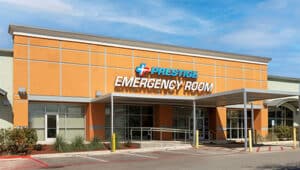
At Prestige Emergency Room, we provide rapid evaluation and emergency care for patients experiencing collapsed lung symptoms.
What is pneumothorax?
Pneumothorax is a medical emergency that occurs when air enters the space between the lung and the chest wall, causing the lung to partially or fully collapse.
This air buildup prevents the lungs from expanding normally during breathing.
A collapsed lung can occur suddenly, even in people without known lung disease, and may worsen rapidly without treatment.
Cleveland Clinic emphasizes that pneumothorax should always be treated as a potential medical emergency, as lung collapse can worsen quickly without prompt evaluation and treatment.
What are the symptoms of a partially collapsed lung?
A pneumothorax may involve only a small portion of the lung or cause a complete collapse.
Is a collapsed lung painful?
Partial lung collapse may produce mild symptoms, while a complete pneumothorax often causes severe chest pain and breathing difficulty.
The extent of lung collapse plays a significant role in symptom severity and the urgency of treatment.
How a collapsed lung affects breathing
When the lung cannot fully expand, oxygen intake decreases, and breathing becomes inefficient. As pressure builds in the chest, it can also affect the heart and other organs.
This is why even mild pneumothorax symptoms should be evaluated promptly, especially if they worsen.
Signs and symptoms of a collapsed lung
Collapsed lung symptoms can vary depending on severity, underlying health, and the rate at which the condition develops. Recognizing symptoms early can reduce the risk of complications.
Early pneumothorax warning signs
Early signs of a collapsed lung may include:
- Sudden chest pain, often sharp and worse with breathing
- Mild shortness of breath
- Chest tightness
- Fatigue
- Rapid breathing
These symptoms should not be ignored, even if they seem mild.
Severe symptoms that signal an emergency
Severe pneumothorax symptoms may indicate a medical emergency and include:
- Severe or worsening shortness of breath
- Bluish skin or lips
- Rapid heart rate
- Low blood pressure
- Chest pain spreading to the shoulder or back
- Dizziness or fainting
- Confusion or extreme anxiety
These signs require immediate emergency services.
How serious is a collapsed lung?
Minor pneumothorax may cause subtle symptoms and progress slowly, while major pneumothorax can worsen rapidly and impair oxygen delivery.
Major lung collapse is more likely to cause breathing distress and cardiovascular instability.
Because symptoms can escalate quickly, any suspected collapsed lung should be evaluated in the emergency room.
Causes and risk factors of pneumothorax
Pneumothorax can occur for many reasons, including injury and underlying lung conditions. Identifying causes helps guide emergency treatment and prevention.
Common causes and risk factors include:
- Chest trauma or injury
- Rib fractures
- Medical procedures involving the chest
- Chronic lung diseases such as chronic obstructive pulmonary disease (COPD) or asthma
- Smoking
- Sudden pressure changes
- A tall, thin body type
- Previous history of pneumothorax
Some cases occur spontaneously without a clear cause, making symptom recognition essential.
When to go to the emergency room for a collapsed lung
Knowing when to go to Prestige ER for a collapsed lung can be life-saving. Pneumothorax should always be evaluated in an emergency setting due to the risk of rapid deterioration.
You should seek emergency care if you experience:
- Sudden chest pain with shortness of breath
- Worsening breathing difficulty
- Chest pain after injury or trauma
- Bluish lips or skin
- Dizziness or fainting
- Rapid heart rate or breathing
- Any symptoms that worsen quickly
If you suspect a collapsed lung, urgent care is not appropriate. Immediate ER evaluation is essential.
What to expect in the ER for a collapsed lung
Emergency treatment for pneumothorax focuses on confirming the diagnosis, stabilizing breathing, and relieving pressure on the lung. Evaluation typically includes imaging and close monitoring.
At Prestige ER, emergency care for collapsed lung symptoms may include:
- Chest X-ray or CT imaging
- Oxygen therapy
- Needle aspiration or chest tube placement if needed
- Pain management
- Continuous monitoring of breathing and heart function
Early intervention helps prevent complications and supports recovery.
Post-ER pneumothorax recovery and care
Recovery after pneumothorax depends on the severity and type of treatment. Some patients recover with observation and oxygen therapy, while others require additional intervention.
Post-ER care may include:
- Follow-up imaging
- Activity restrictions
- Avoiding air travel or pressure changes temporarily
- Monitoring for recurring symptoms
- Specialist follow-up if recommended
Following discharge instructions closely is essential for safe healing.
Preventing pneumothorax and protecting lung health
While not all cases can be prevented, certain steps may help reduce the risk of pneumothorax and support long-term lung health.
How to lower the risk of a collapsed lung
Risk reduction strategies may include:
- Avoiding smoking
- Managing chronic lung conditions
- Using protective equipment during high-risk activities
- Following medical guidance after a prior pneumothorax
Reducing risk factors can lower the chance of recurrence.
Top tips for maintaining healthy lungs
Maintaining lung health supports overall respiratory function. Helpful habits include:
- Staying physically active
- Avoiding exposure to pollutants
- Getting prompt care for respiratory infections
- Following prescribed treatments for lung conditions
Healthy lungs may reduce the risk of complications if pneumothorax occurs.
Choose Prestige ER for 24/7 pneumothorax treatment
A collapsed lung is a serious medical emergency that should never be ignored. Fast evaluation and treatment are critical to restoring breathing and preventing complications.
At Prestige Emergency Room, our teams provide expert emergency care for pneumothorax, including rapid imaging, stabilization, and advanced treatment.
If you or a loved one is experiencing signs of a collapsed lung, visit your nearest Prestige ER location for prompt, expert care and peace of mind.
Frequently Asked Questions About Collapsed Lung
Yes — typically sudden sharp chest pain that is worse when breathing, and in severe cases pain spreading to the shoulder or back.
Recovery depends on severity. Some patients recover with observation and oxygen therapy, while others require needle aspiration or a chest tube.
Chest X-ray or CT imaging, oxygen therapy, needle aspiration or chest tube placement if needed, pain management, and continuous monitoring of breathing and heart function.
People with chest trauma or rib fractures, chronic lung disease such as COPD or asthma, smokers, those exposed to sudden pressure changes, people with a tall thin body type, and anyone with a previous pneumothorax.