What are heatstroke and heat exhaustion? You’ve likely heard these terms before without fully understanding the difference between them. Let’s break down what each one means, the signs and symptoms to watch for, and when to seek help in an ER.
Understanding Heat-Related Illnesses
Heatstroke and heat exhaustion are two common heat-related illnesses. Put simply, they can happen when your body overheats, especially for an extended time. Causes of heat-related illness include:
- Exposure to high outdoor temperatures for a prolonged period, especially when the humidity is high.
- Strenuous physical activity (sports, running, hiking, or working outdoors).
Of the two, heat exhaustion is milder but can progress to heatstroke if not properly managed. In other words, heat-related illnesses lie on a spectrum of severity. Heat exhaustion is somewhat milder—but still serious—but can progress up the spectrum to heatstroke, a condition requiring emergency care.
Heatstroke vs. Heat Exhaustion: Recognizing Symptoms and Red Flags
To better understand the difference between heatstroke and heat exhaustion, it may be helpful to compare their symptoms.
Heat Exhaustion Symptoms
The signs of heat exhaustion may include:
- Profuse sweating.
- Moist, cool skin with goosebumps.
- Dizziness.
- Fatigue.
- Feeling faint.
- Faster heart rate.
- Muscle cramps.
- Headache.
- Nausea.
Heatstroke Symptoms
Possible symptoms of heatstroke include:
- A fever of 104°F or higher.
- Confusion.
- Slurred speech.
- Seizures.
- Nausea and vomiting.
- Red, flushed skin.
- Fast, shallow breathing.
- Racing pulse.
- Throbbing headache.
When To Go to the ER for Overheating
If you suspect you or a loved one may be overheating, stop all activity, get to a cooler place, and drink plenty of water or sports drinks. Don’t take heat-related illness lightly. Without proper management, including taking the time to cool down and rest, heat exhaustion can progress to heatstroke.
If you notice symptoms of heatstroke or are concerned, seek immediate medical attention at an emergency room. Heatstroke is a life-threatening condition that can progress to permanent brain and organ damage, even resulting in death.
Emergency Treatment for Heatstroke
When you visit an emergency room for heatstroke, providers will typically gather vital signs (including temperature, blood pressure, and others), perform a physical assessment, and check any important lab values.
Cooling you down is the next step. Water, ice baths, or cooling blankets are often used to lower body temperature to help reduce organ damage.
Preventing Heat-Related Illness
As we discussed, heat exhaustion and heatstroke are steps along the spectrum of heat-related illness. You can think of them like links in a chain. Preventing heat exhaustion before it starts can break this link in the chain of heat-related illness, preventing the dangers of heatstroke.
Here are some practical steps you can take to prevent heat exhaustion and heatstroke from affecting you or your loved ones:
- Take It Easy in the Heat. Wanting to enjoy warm, sunny weather is understandable. The key is to take it easy. Avoid being outdoors in the hot sun for too long, especially when humidity levels are high, especially if you are prone to overheating.
- Stay Hydrated. Drink lots of fluids during physical activity or while outdoors in warm or hot weather. This enables your body to sweat and helps it to cool itself properly.
- Use Sunscreen. Getting sunburned can be dangerous and prevent your body from cooling itself. The good news is that it’s preventable. Wearing a wide-brimmed hat and sunscreen can help keep your skin protected. Consider using a large umbrella or finding another source of shade.
- Hot Car Safety. Never leave anyone, especially a child, alone in a parked car for any length of time. Temperatures can rise to dangerous levels quickly, resulting in heat exhaustion or heatstroke.
Some people may be more susceptible to heat-related illness, including young children, older adults, obese individuals, and those taking certain medications. Be aware of your risk factors and take practical steps to limit your heat exposure.
Emergency Care for Heat-Related Emergencies at Prestige ER
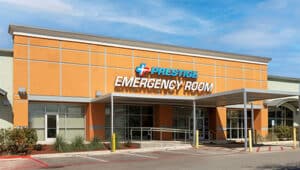
At Prestige ER, our exceptional team will ensure you receive personalized, high-quality care for heat-related illnesses. Our providers are trained and equipped to treat a wide range of medical emergencies, and our ERs feature shorter wait times than typical hospital-based emergency rooms.
For high-quality emergency room services in a welcoming environment, visit a Prestige ER location near you.