Perhaps you’ve heard of a pulmonary embolism but don’t fully understand what it means. Maybe you may know someone who has experienced one. Let’s explore this serious medical emergency, from symptoms to seeking treatment in an emergency room (ER).
What Is a Pulmonary Embolism?
A pulmonary embolism (PE) is a blood clot that lodges in an artery inside your lung and impedes blood flow. The clot often forms in a deep vein in your leg (DVT) and then travels to a lung.
A pulmonary embolism can block oxygen-carrying blood from reaching the vital tissues over your lungs, where your body exchanges oxygen and carbon dioxide. As a result, PE can be life-threatening and requires emergency care.
Signs and Symptoms of a Pulmonary Embolism
Common red flags of a pulmonary embolism include:
- Chest Pain
With a pulmonary embolism, chest discomfort is often sharp and worse when you breathe in or cough. - Shortness of Breath
The onset is often sudden, doesn’t improve with rest, and worsens with activity.
Other possible symptoms of a pulmonary embolism may include:
- Coughing up blood-tinged mucus.
- Sweating or feeling clammy.
- Irregular or rapid heartbeat.
- Dizziness.
- Leg pain.
When To Go to the ER for a Pulmonary Embolism
It’s vital to understand that a pulmonary embolism is a life-threatening condition. If you or a loved one experiences the above signs or symptoms that could suggest a PE, go to an emergency room immediately.
Diagnosing and treating a pulmonary embolism requires specialized diagnostic equipment, therapy options, and trained medical providers. An ER can provide the rapid care that you need if you experience a PE.
It’s important to get rapid treatment in an ER for a pulmonary embolism if you notice any red flags. An untreated PE can lead to serious complications, including cardiac arrest and death.
Pulmonary Embolism Causes
What causes a pulmonary embolism? Let’s explore some common causes and risk factors.
Cardiovascular Disease
Having a history of heart disease, heart failure, or blood vessel conditions like arteriosclerosis can increase your risk of developing a pulmonary embolism.
Cancer
Cancer can increase the risk of blood clots forming in the body. Certain medications used to treat cancer—including chemotherapy—can increase the risk further.
Recent Surgery
You’re at increased risk of developing a DVT or PE after having had surgery. If you’ve had a surgical procedure like a joint replacement surgery, you may be given medication to help prevent blood clots.
Bedrest or Long Trips
Prolonged immobility can cause blood to pool in your vessels and lead to a blood clot. Being on bedrest or taking a long trip in a car or airplane can increase the risk of a PE.
If you anticipate being on bed rest or going on a trip, discuss preventive steps you can take with a healthcare provider. Preventing PE can include measures like regular exercise, staying hydrated, maintaining periodic movement, and wearing support stockings.
Smoking
In addition to other serious health consequences, tobacco use can increase the likelihood of blood clot formation.
Estrogen Replacement
Estrogen in hormone therapy or birth control pills can increase pulmonary embolism risk, especially for people who smoke or are overweight.
COVID-19
People who experience severe symptoms of COVID-19 are at increased risk for developing blood clots, including a pulmonary embolism.
Blood Clot History or Clotting Disorders
Having a history of blood clots or a clotting disorder increases the likelihood of another blood clot, such as PE.
Diagnosis and Emergency Treatment Options for a PE
Diagnosing a pulmonary embolism can involve an X-ray, CT scan, and other diagnostic tests, including imaging and blood tests.
If you are diagnosed with PE, your provider will determine the best course of treatment for your condition. This could include an anticoagulant medication to help your body break down the clot. In some cases, surgical intervention could be necessary.
Emergency Pulmonary Embolism Care at Prestige ER
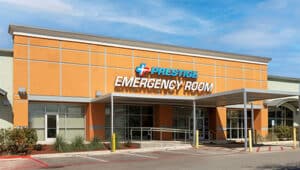
At Prestige ER, you can expect high-quality, personalized treatment from a caring provider. Our wait times are typically shorter than those of a hospital-based ER, ensuring you get the care you need more quickly. We offer a wide range of services for a variety of conditions, including pulmonary embolism, broken arm, and urinary tract infection. If you or a loved one experiences a medical emergency, visit one of our convenient San Antonio locations.