Chemical exposure can happen unexpectedly—at home, at work, or even in public spaces. From cleaning products and industrial chemicals to toxic fumes and spills, exposure can quickly turn dangerous depending on the substance, amount, and route of contact. While some chemical exposures cause mild irritation, others can lead to serious injury, organ damage, or life-threatening complications.
Understanding the symptoms of chemical exposure, knowing what to do immediately, and recognizing when to go to the ER can make a critical difference.
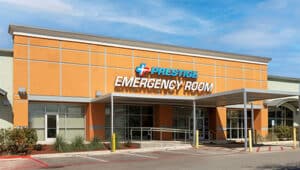
At Prestige Emergency Room, we provide 24/7 emergency care for chemical exposure, including rapid evaluation, stabilization, and advanced treatment.
What is chemical exposure?
Chemical exposure occurs when a harmful substance enters the body through the skin, eyes, lungs, or digestive system.
Exposure may be accidental or occupational and can happen in seconds or over prolonged periods.
According to the Occupational Safety and Health Administration (OSHA), chemical exposures are a leading safety concern in U.S. workplaces, with decades of monitoring data showing routine exposure to hazardous airborne chemicals, reinforcing the point that sudden or severe exposure symptoms should never be ignored.
Common causes of chemical exposure at home and work
Chemical exposure can occur in many everyday environments, including:
- Household cleaners and disinfectants
- Pesticides and insecticides
- Industrial chemicals and solvents
- Gasoline, antifreeze, or automotive fluids
- Fumes from fires or chemical reactions
- Workplace chemicals in construction, manufacturing, or healthcare
Even products labeled as “safe” can cause harm if misused or mixed improperly.
How chemicals affect the body
The effects of chemical exposure depend on the substance and how it enters the body. Some chemicals cause immediate burns or irritation, while others interfere with breathing, damage internal organs, or affect the nervous system. In severe cases, exposure can lead to long-term complications or death without prompt treatment.
Recognizing symptoms of chemical exposure
Chemical exposure symptoms range from mild to severe and may worsen over time. Early recognition is key to preventing complications.
Mild vs. severe chemical exposure symptoms
Mild symptoms may include:
- Skin redness or irritation
- Eye watering or burning
- Headache
- Mild nausea
- Coughing or throat irritation
Severe chemical exposure symptoms may include:
- Difficulty breathing or shortness of breath
- Chest pain
- Severe burns or blistering
- Vision changes
- Persistent vomiting
- Confusion or altered mental status
- Seizures or loss of consciousness
Warning signs that indicate an emergency
Certain symptoms signal that chemical exposure has become an emergency and requires immediate medical care:
- Trouble breathing or wheezing
- Bluish lips or fingertips
- Severe chemical burns
- Sudden weakness or collapse
- Uncontrolled vomiting
- Exposure to unknown or industrial chemicals
When chemical exposure becomes life-threatening
Chemical exposure becomes life-threatening when it compromises breathing, circulation, or neurological function. Inhalation of toxic fumes, ingestion of corrosive substances, or widespread skin exposure can escalate rapidly and should never be managed at home.
First aid steps for chemical exposure
Immediate action after exposure can reduce injury, but incorrect first aid can make things worse.
What to do immediately after exposure
General first aid steps include:
- Remove yourself from the exposure area if safe to do so
- Avoid further contact with the chemical
- Remove contaminated clothing carefully
- Rinse exposed skin or eyes with clean water
First aid for skin, eye, and inhalation exposure
- Skin exposure: Rinse the area with water for at least 15 minutes
- Eye exposure: Flush eyes continuously with clean water
- Inhalation exposure: Move to fresh air immediately
If symptoms are severe or worsen, emergency care is required.
Chemical exposure first aid do’s and don’ts
Do:
- Act quickly
- Use water unless advised otherwise
- Seek medical care if symptoms persist
Don’t:
- Mix chemicals to “neutralize” exposure
- Apply ointments without medical advice
- Delay care for serious symptoms
When to go to the emergency room for chemical exposure
You should go to the ER for chemical exposure if you experience:
- Breathing difficulty
- Chest pain
- Severe burns or eye injury
- Confusion or fainting
- Exposure to strong or unknown chemicals
- Ingestion of any toxic substance
- Symptoms that worsen or don’t improve
Urgent care is not appropriate for serious chemical exposure. Emergency room evaluation is essential.
What to expect in the ER for chemical exposure
Emergency treatment focuses on stabilizing the patient and preventing further harm. At Prestige ER, evaluation and treatment may include:
- Oxygen therapy
- Decontamination procedures
- IV fluids
- Blood tests
- Imaging if internal injury is suspected
- Medications to control symptoms
Our emergency teams act quickly to identify the substance involved and provide targeted treatment for a full range of medical emergencies, including chemical exposure.
Post-ER care and recovery after chemical exposure
Recovery after chemical exposure depends on the type of substance involved, the level of exposure, and how quickly treatment is provided.
Some patients may require follow-up visits, prescribed medications, or referrals to specialists for further evaluation. In some instances, monitoring for delayed or worsening symptoms is necessary, as some chemical effects may not appear immediately.
Carefully following all discharge instructions is critical to support recovery and help prevent complications.
Preventing chemical exposure at home and work
Risk reduction strategies include:
- Proper storage and labeling of chemicals
- Using protective equipment
- Avoiding mixing household cleaners
- Following workplace safety guidelines
- Ventilating enclosed spaces
Prevention reduces risk but does not eliminate the need for emergency care when exposure occurs.
Expert emergency care for chemical exposures at Prestige ER
Chemical exposure can escalate quickly and should never be taken lightly. When symptoms are severe, sudden, or worsening, fast emergency evaluation is critical.
At Prestige Emergency Room, we provide expert emergency treatment for chemical exposure—24/7, with no appointment required. If you or a loved one has been exposed to a chemical and needs immediate care, visit your nearest Prestige ER location for prompt, professional treatment and peace of mind.