Seizures can be sudden, frightening, and dangerous, especially if you don’t know what to do.
Knowing how to recognize seizure symptoms, what actions to take, and when to seek emergency care or call 911 can help protect the person experiencing the seizure and prevent complications.
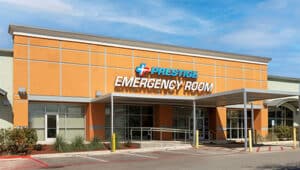
At Prestige Emergency Room, we offer 24/7 seizure emergency care for both new and recurring seizure events, including pediatric cases.
What Is a Seizure?
A seizure is a sudden surge of abnormal electrical activity in the brain.
This potential medical emergency can temporarily affect awareness, movement, behavior, or sensation. Seizures may last only a few seconds or persist for several minutes and can be mild or severe, depending on the type.
Types of Seizures
Seizures are generally classified based on where they begin in the brain and how they affect the body. The two main categories are generalized seizures and focal (or partial) seizures.
Generalized seizures affect both sides of the brain and can lead to loss of consciousness. Common types include:
- Tonic-clonic seizures (formerly known as grand mal seizures) cause muscle stiffness, convulsions, and loss of consciousness.
- Absence seizures (or petit mal) are the most common seizure in children and involve brief, sudden staring spells.
Focal seizures start in one specific area of the brain and can vary in intensity. They include:
- Simple focal seizures do not cause loss of consciousness and may involve twitching, unusual sensations, or changes in taste or smell.
- Complex focal seizures can alter awareness and may cause confusion, unresponsiveness, or repetitive movements, such as lip-smacking or hand rubbing.
Understanding these types can help you recognize what kind of seizure may be occurring and respond appropriately.
Seizure Symptoms
Common signs of a seizure may include:
- Sudden confusion or unresponsiveness.
- Jerking or twitching of the arms, legs, or face.
- Temporary loss of consciousness.
- Staring or not responding.
- Uncontrolled movements or convulsions.
- Changes in breathing or skin color.
- Odd sensations, emotions, or behaviors before the seizure (known as an aura).
Recognizing seizure symptoms early allows for quicker intervention and support.
What Causes Seizures?
Seizures can happen for many reasons, and not everyone who has a seizure has epilepsy.
Common causes include:
- Epilepsy or seizure disorders.
- High fever, especially in children.
- Head trauma or concussion.
- Stroke or brain injury.
- Low blood sugar.
- Alcohol withdrawal or drug intoxication.
- Infections affecting the brain, such as meningitis.
- Brain tumors or neurological conditions.
- Genetic or developmental conditions.
Understanding what causes seizures can help guide long-term management and reduce risk factors.
What To Do During a Seizure
If someone near you has a seizure, stay calm and follow these steps:
- Keep them safe: Clear the area of sharp or dangerous objects.
- Ease them to the ground: If they’re standing or seated, help them lie down gently.
- Turn them on their side: This prevents choking if vomiting occurs.
- Cushion their position: Place something soft under their head.
- Do not put anything in their mouth.
- Do not hold them down or try to stop movements.
- Stay with them until the seizure ends, and they’re fully alert.
- Time the seizure: If a seizure lasts more than 5 minutes, call 911.
These first-aid steps can help prevent injury and offer reassurance until medical professionals arrive.
When To Go to the ER for a Seizure
Some seizures require urgent medical evaluation, especially if it’s the person’s first seizure or if other symptoms are present.
Call 911 or visit Prestige ER immediately if:
- The seizure lasts more than 5 minutes.
- The person has multiple seizures close together.
- It’s their first seizure, or the cause is unknown.
- The person is not waking up or behaving normally after the seizure.
- The person has difficulty breathing, walking, or speaking afterward.
- There is a head injury or trauma during the seizure.
- The person is pregnant, diabetic, or has a heart condition.
- You’re unsure what to do, and the situation seems unsafe.
Preventing Seizures and Managing Risks
For people with known seizure disorders, following a care plan and avoiding triggers can help prevent future episodes.
Tips to reduce seizure risk:
- Take prescribed medications as directed.
- Get regular sleep and manage stress.
- Avoid alcohol and drug use.
- Treat infections or fevers quickly.
- Stay hydrated and maintain stable blood sugar.
- Wear a medical alert bracelet if you have a known condition.
Prevention and management can reduce seizure frequency and severity and may even prevent emergencies.
Quick and Effective Seizure Care at Prestige ER
At Prestige Emergency Room, we provide rapid, expert emergency care for seizures in children and adults.
Our emergency teams are trained to diagnose the cause, stop active seizures, and stabilize patients safely and effectively.
We may use:
- Advanced imaging.
- Lab tests to evaluate underlying causes.
- IV medications to stop seizures.
- Continuous monitoring for high-risk or repeat episodes.
If you or a loved one is experiencing a seizure or you’re unsure what’s happening, don’t wait.
Visit your nearest Prestige ER location for immediate medical help and peace of mind.