Most insect stings are harmless and resolve on their own, but for some individuals, they can cause severe allergic reactions or infections.
If you’re dealing with unusual bee sting swelling or wondering when to go to the ER for insect stings, knowing the red flags can save your life.
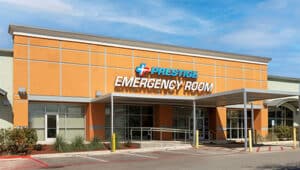
At Prestige Emergency Room, we provide 24/7 emergency care for severe reactions, infections, and anaphylaxis resulting from stings and bites.
Common Insect Stings
Bee and wasp stings are among the most common insect-related emergencies, especially during warm months.
Other stingers include hornets, yellow jackets, fire ants, and certain spiders.
While many stings result in mild discomfort, others may trigger severe allergic reactions or secondary infections that require immediate medical attention.
Risks of Insect Stings
Some people are allergic to venom from stings, putting them at risk for anaphylaxis, a life-threatening reaction.
Others may develop an infection from a sting if the area is scratched, improperly treated, or if the stinger wasn’t fully removed.
Symptoms of Insect Stings
Most mild reactions involve:
- Redness or a small welt at the sting site.
- Pain, itching, or warmth.
- Localized swelling.
Watch for these signs of a sting that could indicate a medical emergency:
- Widespread swelling (especially on the face, lips, or throat).
- Difficulty breathing or wheezing.
- Rapid heartbeat.
- Dizziness or fainting.
- Nausea or vomiting.
- Hives or a widespread rash.
- Tightness in the chest or throat.
If you or someone you love shows any of these signs of an allergic reaction to a bee sting, go to the ER or call 911 immediately.
When To Seek Emergency Care for Insect Stings
You should visit the ER for a sting if:
- You have bee sting allergies or a history of anaphylaxis.
- The sting caused immediate difficulty breathing or facial swelling.
- Multiple stings were received (especially by wasps or fire ants).
- Swelling worsens significantly after several hours.
- You notice signs of infection, such as pus, warmth, or increasing redness.
- The person stung is a child, older adult, or has a weakened immune system.
How To Treat Bee Stings and Allergic Reactions
Proper treatment after a sting can make all the difference, especially if symptoms escalate quickly.
Here’s what to do for mild reactions and how emergency teams manage severe allergic responses.
Immediate First Aid for Mild Reactions
- Remove the stinger by gently scraping it (don’t use tweezers, as they can squeeze more venom into the skin).
- Wash the area with soap and water.
- Apply a cold pack to reduce swelling.
- Use antihistamines or hydrocortisone cream to control itching.
- Elevate the limb if swelling is present.
How ERs Treat Anaphylaxis from Bee Stings
At Prestige ER, we treat severe allergic reactions with:
- Epinephrine (adrenaline) to stop the reaction.
- IV fluids to stabilize blood pressure.
- Oxygen or breathing support, if needed.
- Antihistamines and corticosteroids to reduce inflammation.
- Monitoring for delayed reactions.
Immediate treatment is critical. Anaphylaxis can be fatal without rapid intervention.
Can Bee Stings Lead to Infection?
Yes, bee stings can become infected, especially if scratched or left untreated. Watch for:
- Increased redness, swelling, or pain after 24 to 48 hours.
- Warmth or pus at the sting site.
- Fever or chills.
These symptoms may indicate an infection from the sting and need medical evaluation.
To reduce your risk of infection:
- Clean the sting site immediately.
- Avoid scratching.
- Cover the area with a clean bandage.
- Seek care if swelling or pain worsens instead of improving.
Prompt first aid and close monitoring can prevent serious complications.
Long-Term Allergy Management Tips for Insect Stings
If you’ve had a serious allergic reaction:
- Carry an epinephrine auto-injector (EpiPen).
- Consider seeing an allergist for venom immunotherapy.
- Wear a medical ID for emergency responders.
- Take precautions outdoors by avoiding perfumes, covering drinks, and wearing shoes outside.
Experience a Rapid Response for Allergic Reactions and Anaphylaxis at Prestige ER
When it comes to insect stings, timing is everything.
At Prestige Emergency Room, we provide immediate emergency services for bee stings, severe swelling, infections, and allergic reactions, including pediatric cases.
Don’t wait for symptoms to escalate.
Visit your nearest Prestige ER for expert care, fast diagnosis, and life-saving treatment when stings become serious.