Internal bleeding is a medical emergency that occurs when blood leaks from blood vessels inside the body, often after trauma or from a condition such as an ulcer or blood-thinner use. Because there is no visible blood loss, the first signs are easy to miss: unexplained or severe abdominal pain, swelling or tightness in the stomach, dizziness, rapid heart rate, weakness or fainting, pale clammy skin, or blood in stool or vomit. Go to the ER immediately for sudden severe pain that will not ease, confusion or fainting, or any pain following head, chest or abdominal trauma.
Internal bleeding is a serious and often hidden medical emergency that can quickly become life-threatening without warning.
If you’ve been in a car accident, had a bad fall, got hurt playing sports, or have a health issue like an ulcer or take blood thinners, you may be wondering, “Is my pain serious?” If something feels off or the pain isn’t going away, trust your instincts and seek care right away.
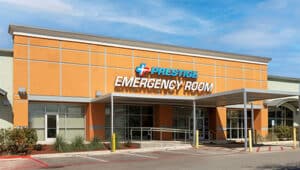
At Prestige Emergency Room, we’re available 24/7 to identify and treat internal bleeding before it becomes life-threatening.
What is internal bleeding?
Internal bleeding is a medical emergency that occurs when blood leaks from blood vessels inside the body, often due to trauma or a medical condition.
Unlike external bleeding, internal bleeding doesn’t always show obvious signs, making it especially dangerous.
What causes internal bleeding?
The most common causes of internal bleeding include:
- Trauma or accidents (e.g., falls, car crashes, sports injuries).
- Blunt force injuries to the abdomen or head.
- Internal organ damage.
- Blood clotting disorders.
- Ruptured blood vessels or aneurysms.
- Gastrointestinal bleeding (ulcers, diverticulitis, or colon issues).
- Certain medications, such as blood thinners.
How do you know if you have internal bleeding?
Since there is no external blood loss, internal bleeding symptoms may be mistaken for minor pain, fatigue, or digestive discomfort. Some patients delay care, assuming their symptoms will pass.
Unfortunately, this delay can result in severe complications or shock. Understanding how to detect internal bleeding is critical.
What are the first signs of internal bleeding?
The symptoms of internal bleeding vary depending on the location of the bleeding. Pain may feel deep, sharp, or pressure-like.
Common hidden signs of internal bleeding include:
- Unexplained or severe abdominal pain.
- Swelling or tightness in the stomach.
- Dizziness or lightheadedness.
- Rapid heart rate or low blood pressure.
- Weakness or fainting.
- Pale, clammy skin.
- Shortness of breath.
- Blood in stool or vomit.
- Bruising without a known cause (especially around the abdomen or back).
What does internal bleeding feel like?
Internal bleeding often feels like a deep ache, sharp stabbing pain, or worsening pressure inside the body. Any unexplained or persistent pain should be treated as a red flag.
When should you go to the ER for internal bleeding?
Pain is your body’s way of signaling that something is wrong. Don’t ignore serious or worsening symptoms.
You should visit the ER for internal pain if you experience:
- Sudden, severe pain that doesn’t go away.
- Confusion, fainting, or weakness.
- Chest, abdominal, or head trauma.
- Pain combined with vomiting, diarrhea, or blood.
- Pain that feels “different” than anything you’ve experienced before.
How Internal Bleeding Is Detected and Diagnosed
At Prestige ER, we use advanced tools and imaging technology to quickly detect internal bleeding, including:
- CT scans or ultrasounds to locate bleeding.
- Blood tests to evaluate oxygen levels and clotting.
- Physical exams for tenderness, swelling, or bruising.
- X-rays or diagnostic scopes when gastrointestinal bleeding is suspected.
Prompt diagnosis is crucial for controlling bleeding and preventing further complications.
Emergency Treatments and Monitoring
Treatment of internal bleeding depends on the severity and location.
Emergency care may include:
- IV fluids.
- Blood transfusions.
- Medications to manage blood pressure or clotting.
- Surgical procedures to stop internal bleeding or repair damaged vessels.
- Monitoring for changes in blood pressure, oxygen levels, and organ function.
Staying in an ER environment allows for constant observation and rapid intervention if symptoms worsen.
Emergency Care for Internal Bleeding at Prestige ER in Texas
Internal bleeding is often silent, but the consequences of waiting are not.
At Prestige Emergency Room, we offer 24/7 emergency room services with immediate imaging, lab testing, and trauma response capabilities for both adults and pediatrics.
If you or a loved one is experiencing unusual internal pain, especially after an accident or without a clear cause, don’t wait.
Visit your nearest Prestige ER location for fast, expert care because early action can save lives.
Frequently Asked Questions About Internal Bleeding
Deep abdominal pain, swelling or tightness in the stomach, dizziness, rapid heart rate, weakness and pale clammy skin. Symptoms depend on where the bleeding is and can be mistaken for minor pain or digestive discomfort.
Pain may feel deep, sharp or pressure-like, and often feels different from any pain you have had before.
Do not assume it will. Delayed care can lead to severe complications or shock, which is why any suspected internal bleeding needs emergency evaluation.
CT scans or ultrasound to locate the bleeding, blood tests for oxygen and clotting, physical exam for tenderness and bruising, and X-rays or scopes if gastrointestinal bleeding is suspected.