A bowel obstruction blocks normal digestion and can be life-threatening. Go to the ER immediately for severe abdominal pain, persistent vomiting, inability to pass gas or stool, fever, or signs of dehydration. Early symptoms include cramping, bloating, and constipation – but don’t wait if symptoms worsen.
Understanding the causes, symptoms, and treatment options is essential for timely care and recovery.
What Is a Bowel Obstruction?
Bowel obstructions can be categorized based on their location and severity, with distinctions often made between small and large bowel obstructions.
Understanding Bowel Obstruction and Its Types
A bowel obstruction occurs when there is a blockage preventing normal digestion. This blockage can be partial or complete and may affect the small or large intestine.
What Causes Bowel Obstruction in Adults?
Common causes include the following anomalies:
- Adhesions from previous surgeries.
- Hernias that trap portions of the intestine.
- Tumors obstructing the intestinal passage.
- Inflammatory bowel diseases like Crohn’s disease.
- Severe constipation or hardened stool (fecal impaction).
- Swallowing a non-digestible foreign object
Difference Between Small and Large Bowel Obstructions
- Small Bowel Obstructions: More common and often caused by adhesions or hernias.
- Large Bowel Obstructions: Typically result from conditions like tumors or volvulus (twisting of the colon).
Common Signs and Symptoms of Bowel Obstruction
Bowel obstructions are a serious medical condition that can significantly impact digestion and overall health. Recognizing the signs early is crucial for timely intervention and preventing complications. If symptoms persist or worsen, seeking immediate medical attention is essential to ensure proper diagnosis and treatment.
What does a bowel obstruction feel like?
- Abdominal pain and cramping.
- Feeling bloated or full.
When should you go to the ER for constipation?
- Difficulty passing stool or gas.
Severe Signs: Nausea, Vomiting, and Inability to Pass Gas
- Persistent nausea and vomiting.
- Severe abdominal swelling.
- Complete inability to pass gas or stool.
How to Know If You Have a Bowel Obstruction
If these symptoms persist, especially with worsening pain, seek medical attention immediately.
When to Go to the ER for Bowel Obstruction
Bowel obstructions are a medical emergency that can lead to severe complications if not treated promptly. Symptoms such as intolerable abdominal pain, fever, or signs of dehydration should never be ignored.
Immediate medical attention is critical to prevent further complications, including tissue damage or perforation. Recognizing the severity of these symptoms and acting swiftly can make a significant difference in outcomes.
Bowel Obstruction Emergency Assessment
Call 911 or Go to ER Immediately:
□ Severe, constant abdominal pain (can’t find comfortable position)
□ Persistent vomiting (especially if vomit looks like feces)
□ Complete inability to pass gas or have bowel movements
□ Fever over 101°F with abdominal symptoms
□ Signs of dehydration (dizziness, dry mouth, little/no urination)
□ Abdominal swelling that’s getting worse
□ Rapid heart rate or feeling faint
Urgent Medical Attention Needed (within hours):
□ Cramping pain that comes in waves
□ Nausea with some vomiting
□ Haven’t had bowel movement in 3+ days
□ Bloating with difficulty passing gas
□ Pain that’s gradually getting worse
Higher Risk Patients (seek care sooner):
□ Previous abdominal surgery
□ Known hernias
□ History of Crohn’s disease or inflammatory bowel disease
□ Cancer patients
□ Elderly patients (over 65)]
How ER Doctors Diagnose Bowel Obstructions
- Physical examination to assess pain and swelling.
- Imaging tests like X-rays or CT scans.
- Blood tests to check for infection or dehydration.
Why Timely ER Care Is Critical for Severe Cases
Delaying treatment can lead to complications like tissue death or perforation, which are medical emergencies.
Treatment and Surgical Options for Bowel Obstruction
The approach to treatment depends on the severity and nature of the obstruction, with options tailored to each patient’s specific needs. Early intervention is critical to ensure effective resolution and minimize the risk of long-term damage.
Non-Surgical vs. Surgical Treatment Options
- Non-Surgical: Nasogastric tubes to relieve pressure or enemas.
- Surgical: Removal of blockages or damaged tissue.
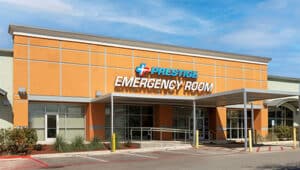
Emergency Bowel Obstruction Care at Prestige ER
At Prestige ER, our priority is providing swift and comprehensive emergency medical care for a wide range of conditions, including life-threatening situations like bowel obstructions.
Advanced Imaging and On-Site Emergency Treatment
State-of-the-art imaging and expert staff ensure accurate diagnosis and treatment.
Why Prestige ER Is the Right Choice for Immediate Bowel Care
Our approach is always patient-focused. With our advanced facilities and emphasis on comprehensive care, Prestige ER is equipped to handle even the most complex cases.
Parents and caregivers should remain vigilant and seek medical advice if there are any signs of discomfort or irregularities in a child’s digestive health. At Prestige ER, we prioritize the unique needs of pediatric patients, offering compassionate and expert care in a child-friendly environment.
Recognizing the signs of a bowel obstruction and seeking prompt care can save lives. If you suspect a blockage, don’t wait. Please visit Prestige ER for expert care and peace of mind.
Common Questions About Bowel Obstructions
Complete bowel obstructions are medical emergencies. Without treatment, complications can develop within 24-48 hours. Partial obstructions may resolve on their own but still need medical evaluation.
With partial obstructions, you might still pass some stool or gas. Complete obstructions prevent anything from passing through. If you haven’t had a bowel movement in 3+ days with pain, see a doctor.
Pain typically comes in waves (cramping) and can be severe. Many describe it as the worst abdominal pain they’ve ever felt. The pain may be constant in severe cases.
Some partial obstructions (about 70-80%) may resolve without surgery, especially if caused by adhesions. However, all suspected obstructions need medical evaluation to determine the best treatment.
Stop eating solid foods immediately. You may be able to have clear liquids, but follow medical advice. Never try to “push through” an obstruction with laxatives – this can be dangerous.