A severe headache can be more than just pain; it can be a sign of a medical emergency.
If you’re experiencing the worst headache ever, it’s critical to know the warning signs.
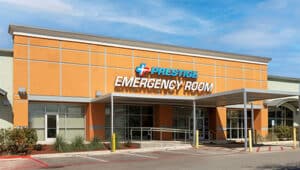
At Prestige Emergency Room, we’re open 24/7 to evaluate and treat severe headaches, migraines, and potentially life-threatening causes with immediate care.
What is a Severe Headache?
A severe headache refers to intense or debilitating pain that may come on suddenly or worsen over time. Unlike common tension headaches, a severe headache can significantly interfere with daily activities and may signal a more serious underlying issue.
How Severe Headaches Differ From Regular Headaches
While a typical headache is manageable with rest or over-the-counter medicine, a severe headache may:
- Appear suddenly and intensely.
- Last for hours or days.
- Occur alongside other neurological symptoms.
- Not respond to usual headache treatments.
Early and Serious Symptoms of Severe Headaches
Not all headaches are created equal. While some resolve with rest and hydration, others may signal something far more serious. Recognizing the difference early can be lifesaving.
What Does the “Worst Headache Ever” Feel Like?
Patients often describe it as a sudden, intense headache similar to a thunderclap. The worst headache ever is characterized by sharp, explosive pain that peaks within seconds to minutes. It may radiate through the neck or back, leaving you unable to focus, move, or speak clearly.
If you’re asking, “Should I go to the ER for a migraine?” and you’re feeling this level of pain, the answer is likely yes.
Red Flag Symptoms of Severe Headaches
Seek emergency care right away if any of the following warning signs accompany your headache:
- Sudden, severe pain that comes out of nowhere.
- Difficulty speaking, confusion, or trouble understanding language.
- Weakness or numbness in the face, arm, or leg.
- Blurred vision or vision loss.
- Seizures.
- Loss of consciousness or fainting.
- Fever or stiff neck (possible signs of infection like meningitis).
- Vomiting that doesn’t stop.
- A new headache in someone over 50 or with a history of cancer or immune conditions.
These red flags could point to a stroke, infection, or neurological emergency and require immediate attention.
Migraine vs. Something Worse: How to Tell the Difference
While migraines can be severe, they usually follow a predictable pattern, including aura, nausea, and light sensitivity.
If your headache feels different than usual or includes new or worsening symptoms, it could be something more dangerous.
Ask yourself:
- Is this the most painful headache I’ve ever had?
- Is this pain completely different from my usual migraines?
- Do I have additional symptoms I’ve never had before?
If the answer is yes to any of these questions, it’s time to head to the emergency room or dial 911.
When to Seek Medical Attention for a Headache
Don’t ignore headaches that:
- Come on suddenly and severely.
- Wake you from sleep.
- Happen after physical exertion.
- Don’t improve with medication.
Causes of Severe Headaches: What You Should Know
Severe headaches can stem from a variety of causes, some harmless, others potentially life-threatening.
Understanding what may be behind your pain can help determine whether you need emergency care.
Common causes of severe headaches include:
- Migraines.
- Cluster headaches.
- Tension headaches.
- High blood pressure emergencies.
- Trauma or concussion.
- Stroke or transient ischemic attack (TIA).
- Brain aneurysm or hemorrhage.
- Meningitis or brain infection.
- Brain tumor or increased intracranial pressure.
If you’re unsure what’s causing your headache, it’s safest to visit the ER for an immediate evaluation, especially if the pain is severe or unusual for you.
Severe Migraine Treatment and What to Expect at the ER
When migraine symptoms become unbearable or stop responding to home treatment, emergency care can provide much-needed relief and rule out more serious causes.
At Prestige ER, severe migraine headache treatment may include:
- IV medications to relieve pain, nausea, and inflammation.
- Fluids for hydration and symptom support.
- Neurological evaluation to assess for signs of stroke or other conditions.
- Imaging if symptoms are unusual or severe.
- Fast intervention to break the migraine cycle and help you recover faster.
We treat migraines with urgency and care, helping you feel better and ensuring nothing more dangerous is at play.
Managing and Preventing Severe Headaches
If you or someone you love experiences frequent or severe headaches, prevention is crucial to reducing future episodes and enhancing your overall quality of life.
Steps to help manage and prevent severe headaches:
- Identify and avoid triggers such as certain foods, stress, or lack of sleep.
- Stick to a regular sleep schedule.
- Stay hydrated and eat consistent, balanced meals.
- Limit screen time and reduce eye strain.
- Track headaches in a journal to spot patterns.
- Follow up with a neurologist or primary care provider if headaches are frequent or changing.
Consistent management can make a big difference, and knowing when to seek help is just as important.
Emergency Care for Severe Headaches at Prestige ER
Some headaches are more than just pain—they’re medical emergencies that require immediate attention.
At Prestige Emergency Room, we’re available 24/7 to evaluate and treat severe headaches, migraines, and life-threatening conditions with fast, expert emergency services.
If your headache feels different, more intense, or comes with concerning symptoms, don’t wait.
Visit your nearest Prestige ER location to get the emergency care you need because when it comes to your brain, time matters.