A severe allergic reaction can turn life-threatening in minutes, so many people ask, what are the signs of anaphylaxis that need emergency treatment? Knowing the answer can save a life, including your own. Anaphylaxis is a true medical emergency. If you suspect it, use an epinephrine auto-injector right away and call 911.
What Is Anaphylaxis?
Anaphylaxis is a sudden, severe, whole-body allergic reaction. It usually begins within seconds to minutes of exposure to a trigger such as food, an insect sting, a medication, or latex. Common culprits include peanuts and tree nuts, shellfish, milk, and eggs, though almost any allergen can be responsible.
Unlike a mild allergy, anaphylaxis can affect breathing and blood pressure at the same time, which is what makes it so dangerous and so urgent.
What Are the Signs of Anaphylaxis That Need Emergency Treatment?
Anaphylaxis often involves two or more body systems and comes on fast. Watch for:
- Breathing trouble, including wheezing, shortness of breath, throat tightness, or a hoarse voice
- Swelling of the lips, tongue, throat, or face
- Skin reactions such as widespread hives, flushing, or severe itching
- Circulation problems like dizziness, fainting, a rapid or weak pulse, or pale, clammy skin
- Stomach symptoms including nausea, vomiting, cramping, or diarrhea
- A sense of impending doom or sudden confusion
Any combination of these after exposure to a known or suspected allergen is an emergency.
What to Do Right Away
Seconds matter, so act immediately.
- Use epinephrine. If an auto-injector is available, use it at the first signs. It is the only first-line treatment for anaphylaxis.
- Call 911. Do this even if symptoms seem to ease after epinephrine.
- Repeat if needed. If symptoms do not improve within 5 to 15 minutes and a second auto-injector is available, another dose may be needed while you wait for help.
- Lie down and elevate the legs if breathing allows, which helps support blood pressure.
- Do not rely on antihistamines alone. They do not stop a severe reaction.
If you are still unsure what are the signs of anaphylaxis that need emergency treatment, follow one rule. When in doubt, treat it as anaphylaxis and seek emergency care.
Why You Still Need the ER After Epinephrine
Even when epinephrine works, the danger is not over. Some people experience a second wave of symptoms hours later, called a biphasic reaction. Emergency care provides monitoring, repeat treatment if needed, and a safe observation period. That is why clinicians recommend medical evaluation even after the first symptoms fade.
This is not a rare problem. According to the American Academy of Allergy, Asthma and Immunology, emergency visits for anaphylaxis rose sharply from 2008 to 2016, increasing 3.2-fold among children and 1.9-fold among adults. You can learn more about the conditions we treat on our emergency medical care page.
Get Emergency Care Now
Understanding what are the signs of anaphylaxis that need emergency treatment helps you act in the seconds that matter most. After using epinephrine and calling 911, get to an emergency room without delay. Bring any auto-injector you used so the care team knows exactly what was already given.
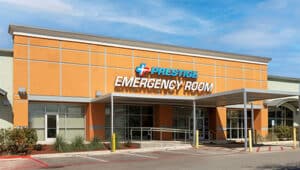
Prestige ER provides 24/7 emergency care with board-certified physicians across four San Antonio locations. If you or a loved one shows signs of a severe allergic reaction, do not wait. Contact Prestige ER or get to your nearest location immediately.